Challenge
AusNet Services aimed to enhance electricity outage management by improving coordination and efficiency across field operations.
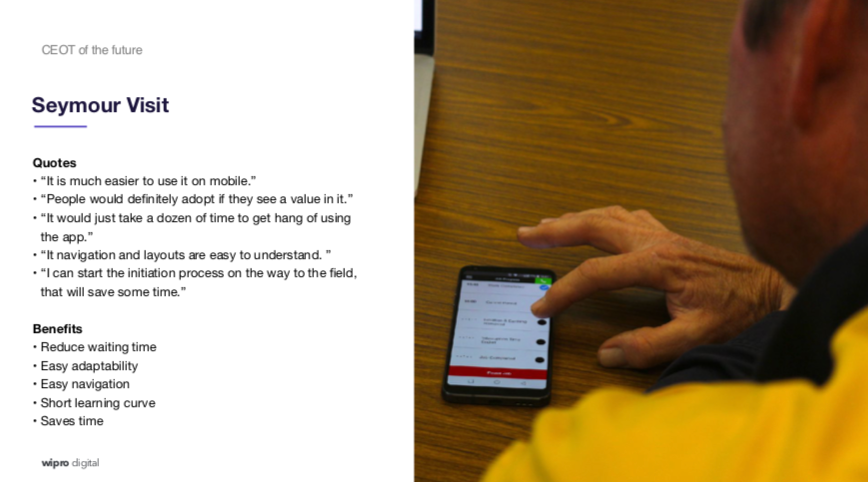
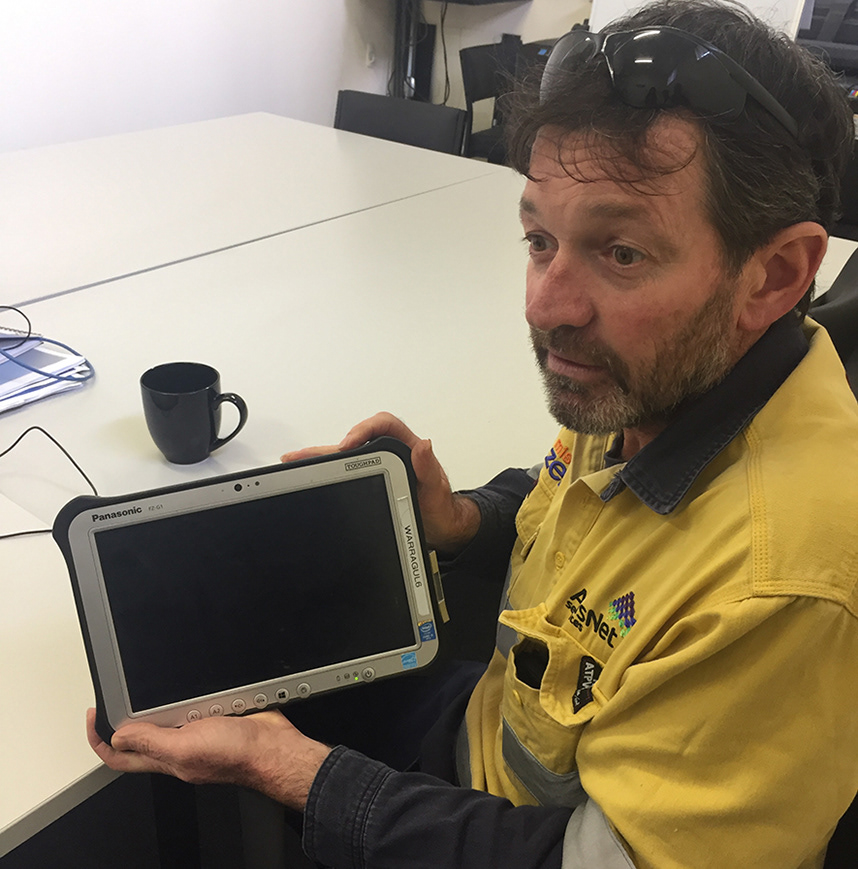
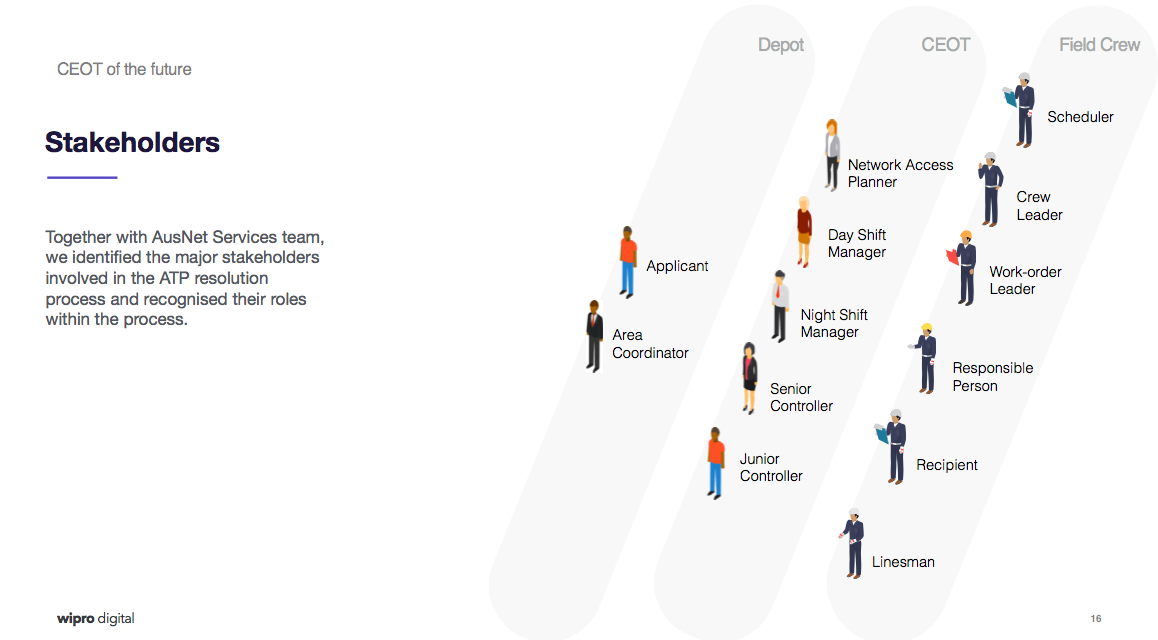
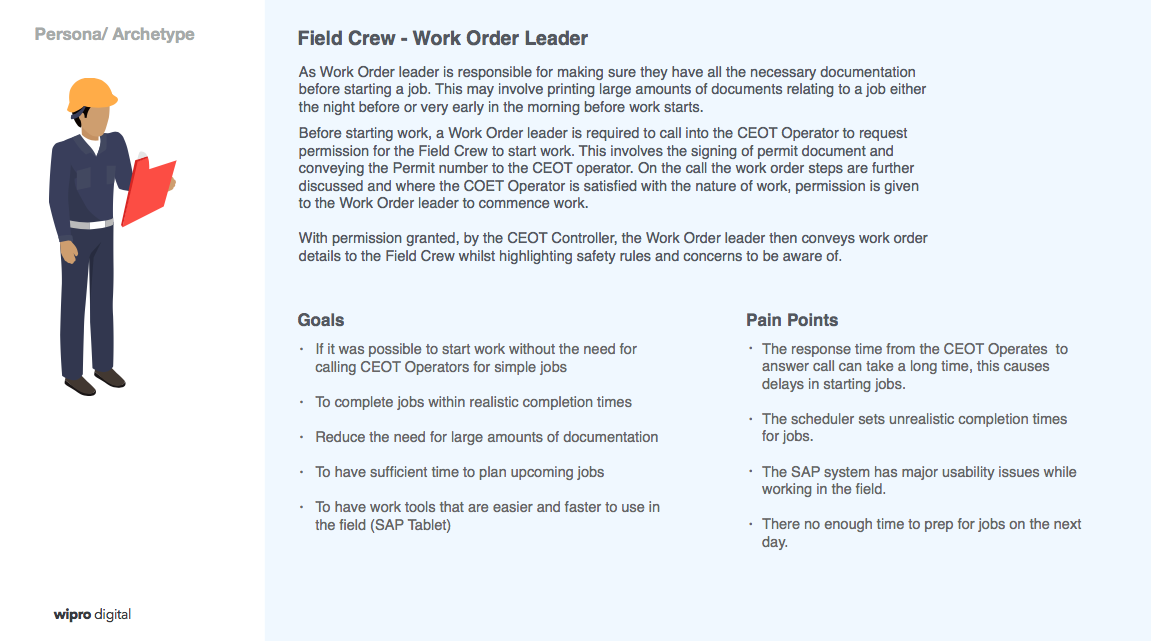
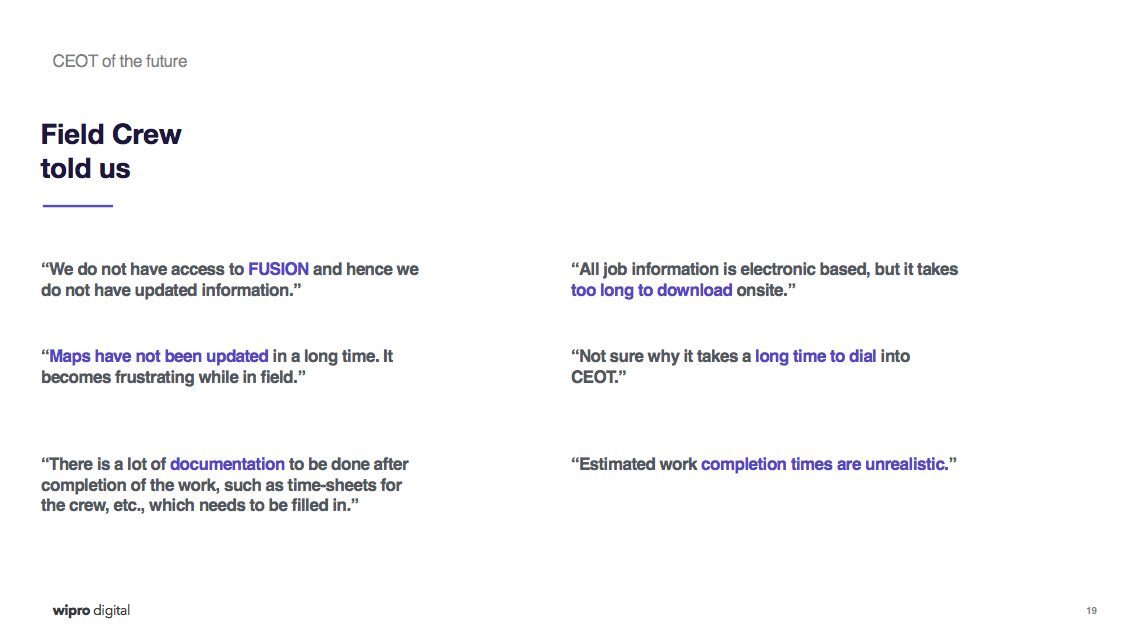
User and stakeholder research was conducted to understand the current state of operations and identify key pain points across field and energy operations teams.
Insights from the research led to a business goal of reducing calls and delays by improving communication and visibility between Field Crews and the Energy Operations team.
The proposed solution was a dynamic information dashboard that enabled teams to prioritise and resolve work orders efficiently based on real-time data
Customer Impact
The solution will also enable better management of electricity outages for over 2 million customers in the state of Victoria, Australia. As a result, a cost-saving of $4.8 million is expected through the deployment of a mobile and desktop solution for the Field Crews and Energy Operations Team.
Discovery Kickoff
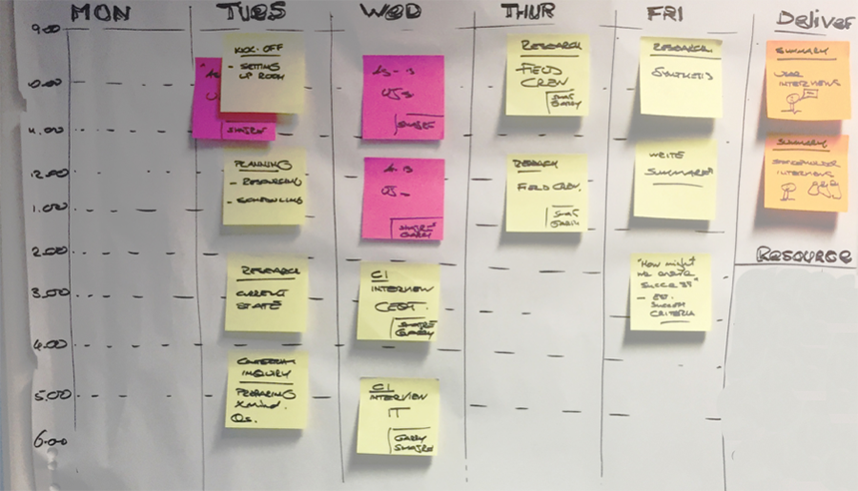
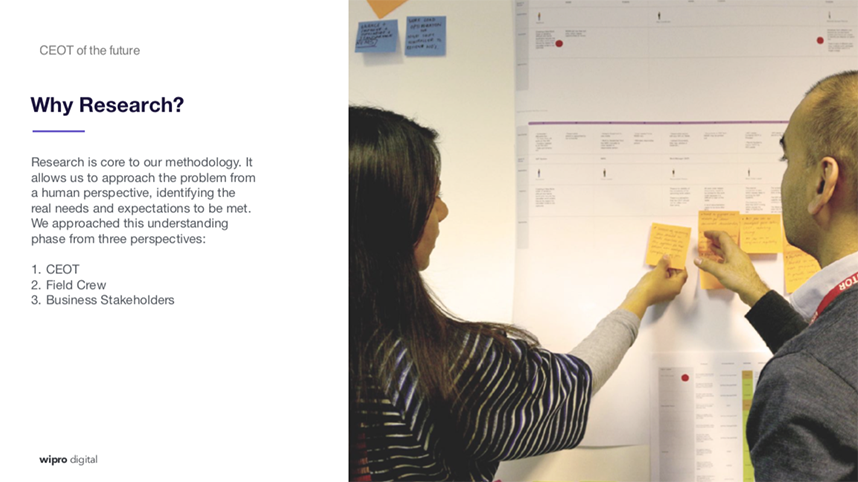
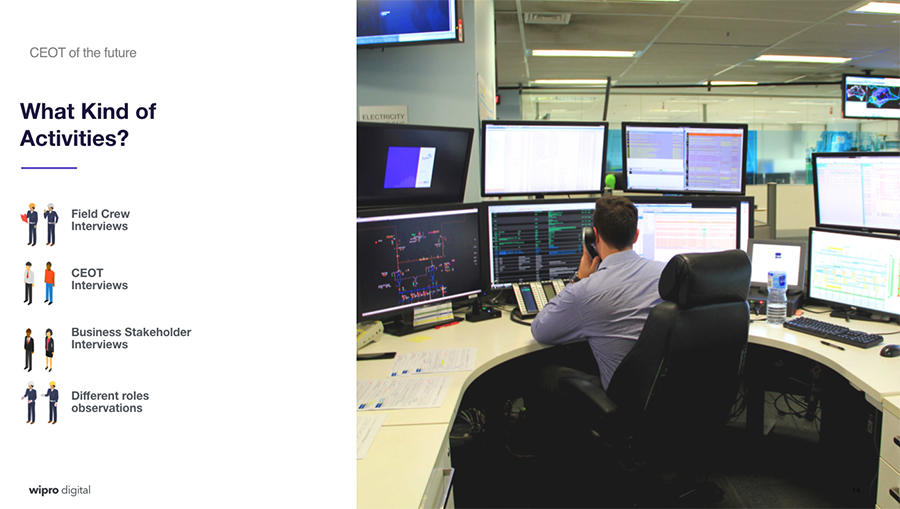
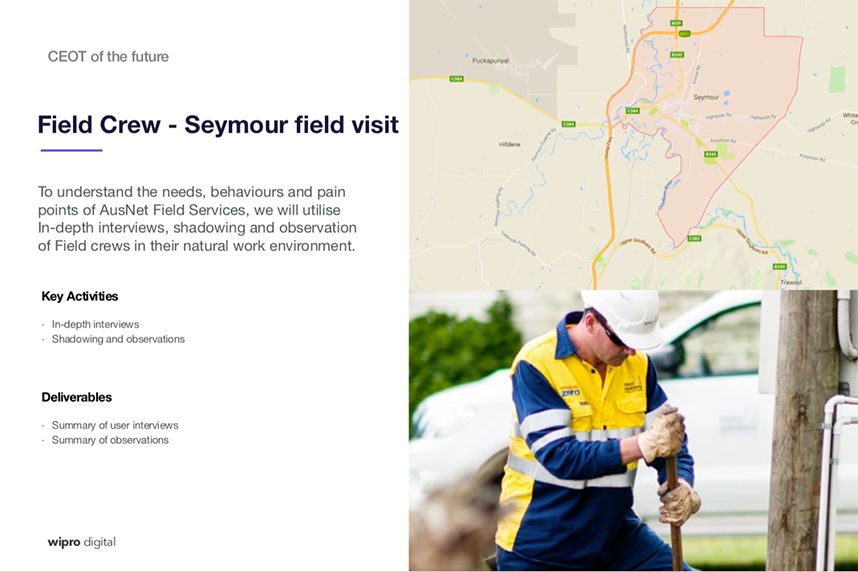
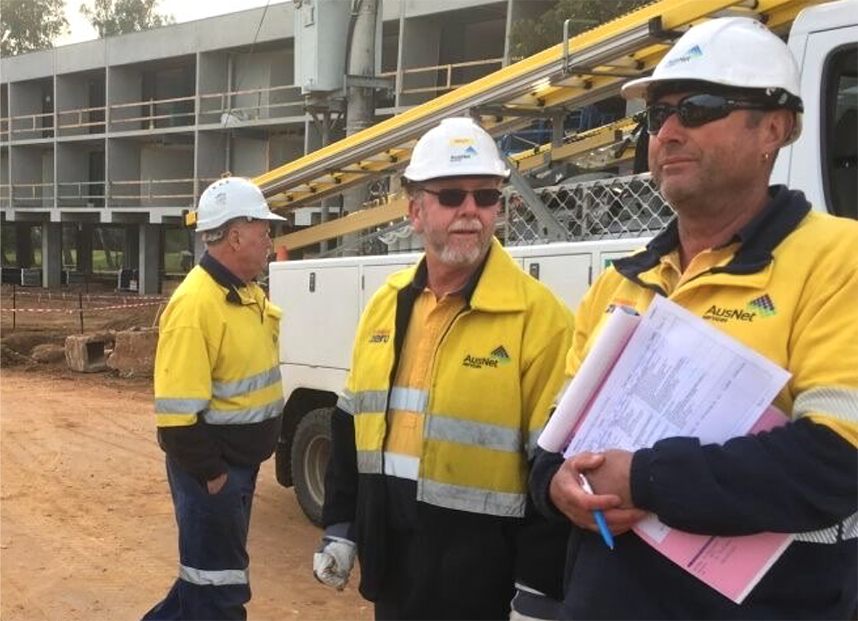
Contextual inquiry & field visits
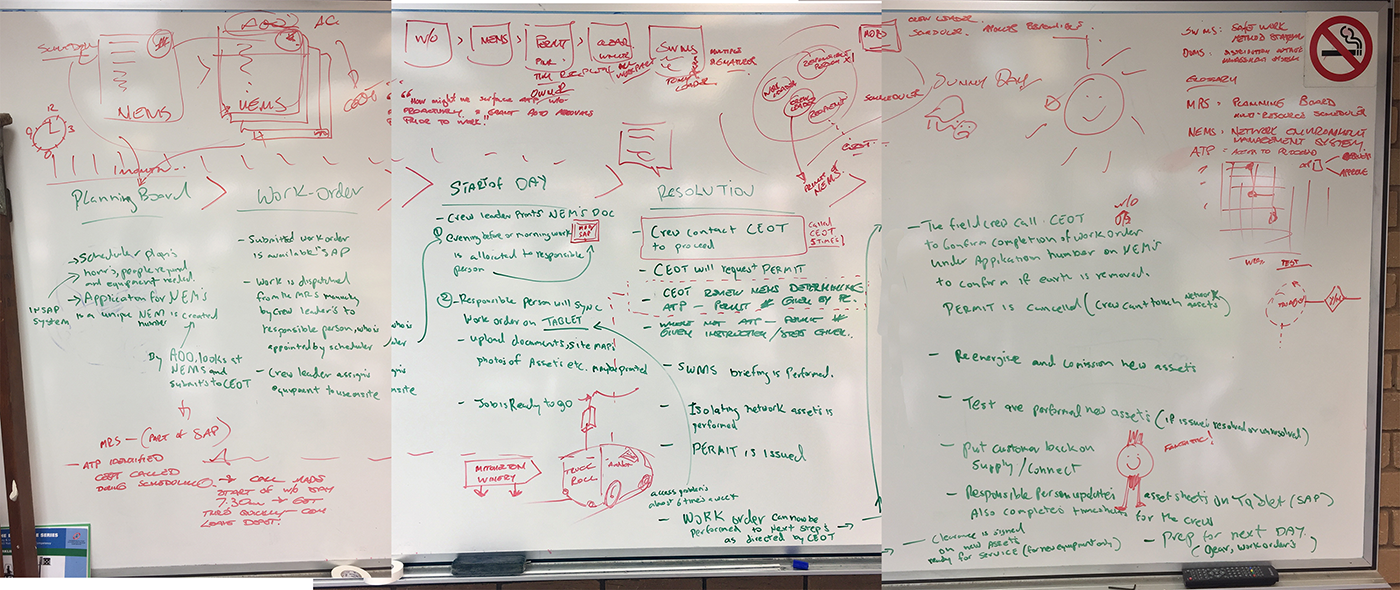
Workflow process mapping
Understanding of user needs & pain points
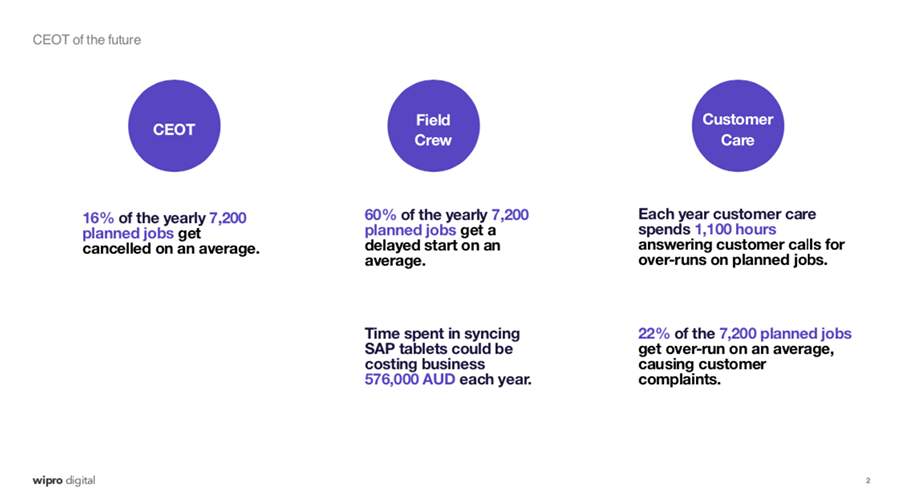
Quantitative insights
Delays in "Work Orders" approvals could be costing the business,
57,600 hours each year or $4,608,000.
57,600 hours each year or $4,608,000.
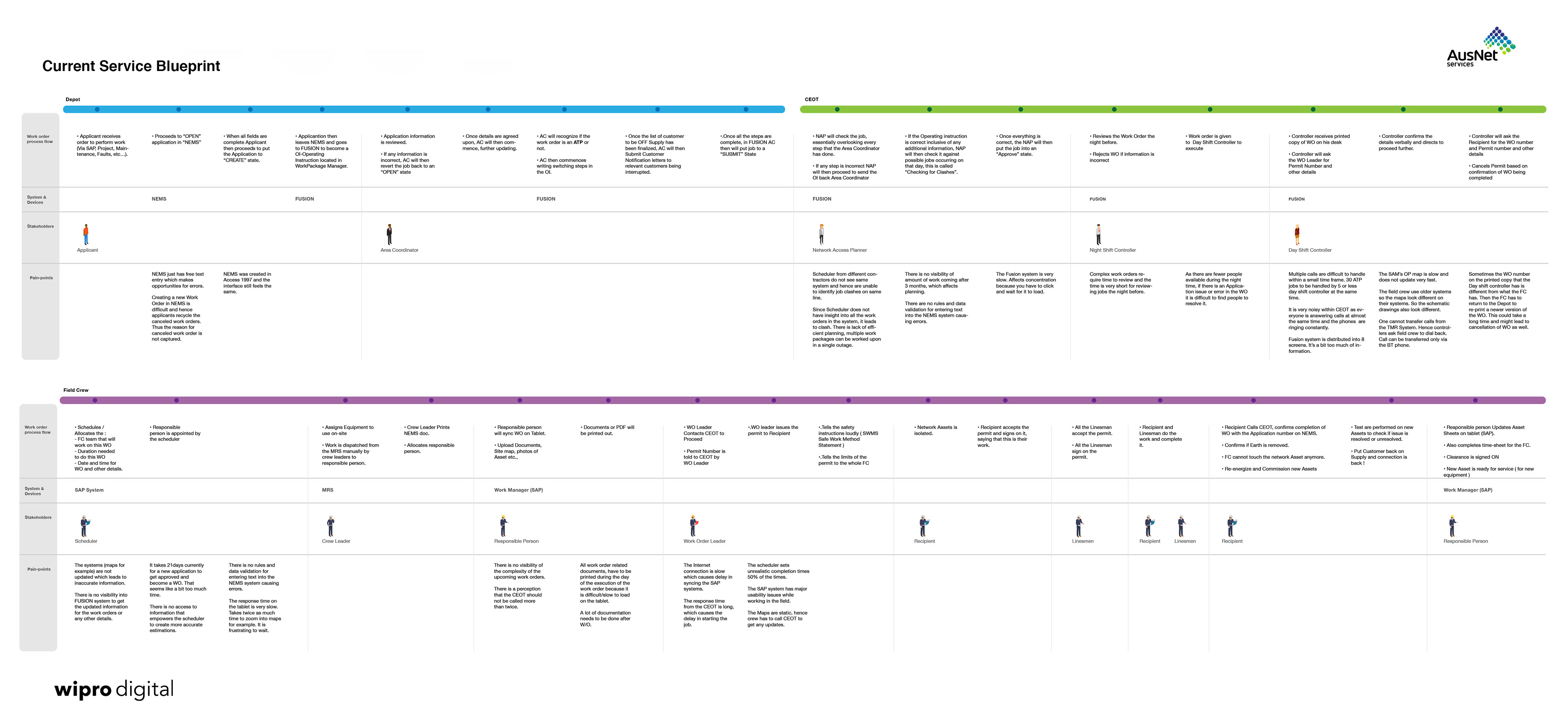
Service journey mapping of field operations
Ideation sessions & workshops
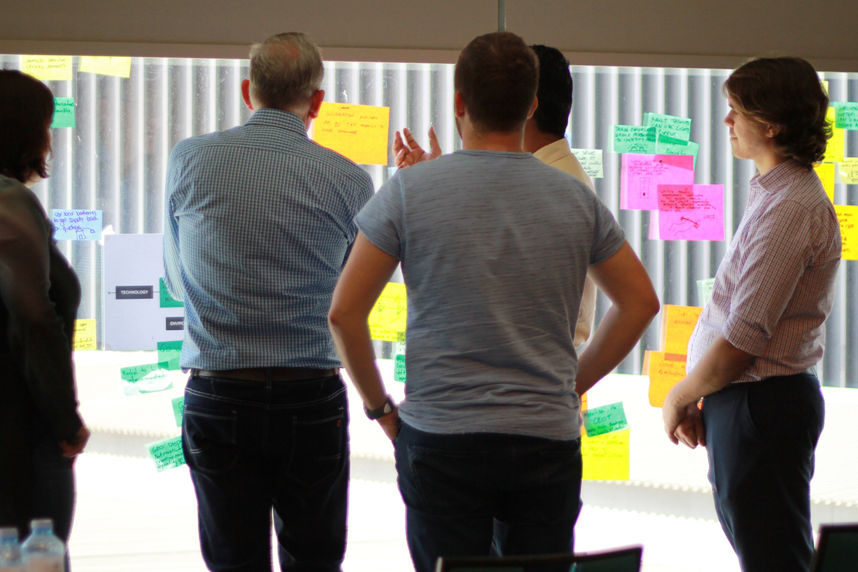
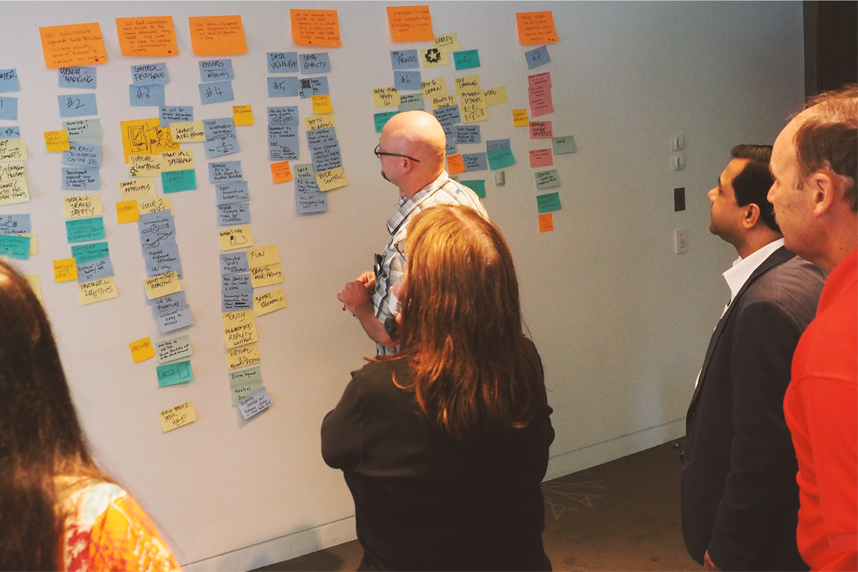
During these sessions, high-value opportunities and pain points uncovered during user research were used to generate ideas.
Participants were asked to phrase the challenges they wanted to solve by framing them as “How might we” questions.
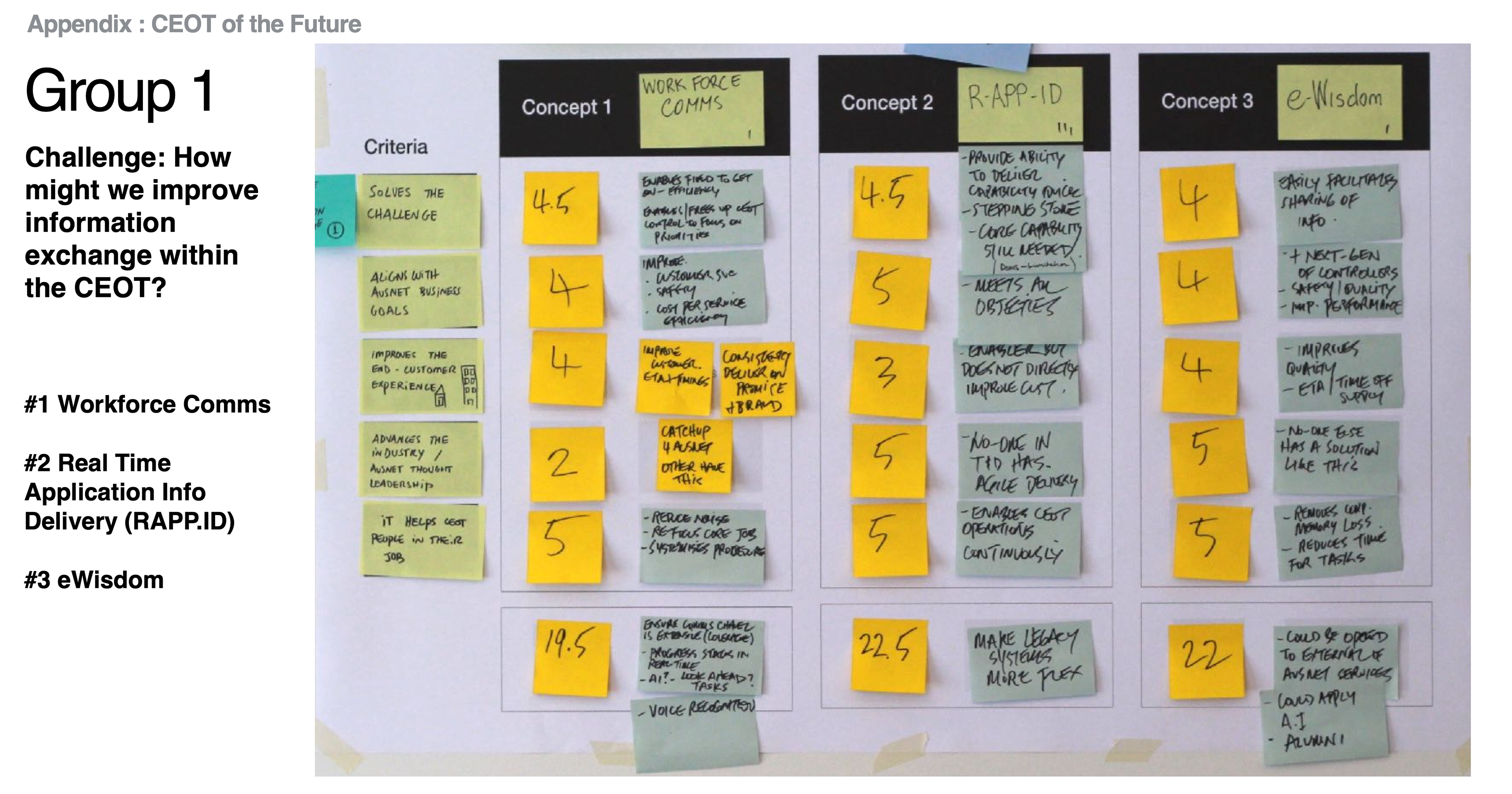
“How might we enable Controllers and Field Crews to have better visibility of work orders and field operations in real-time?”
Concepts to Explore
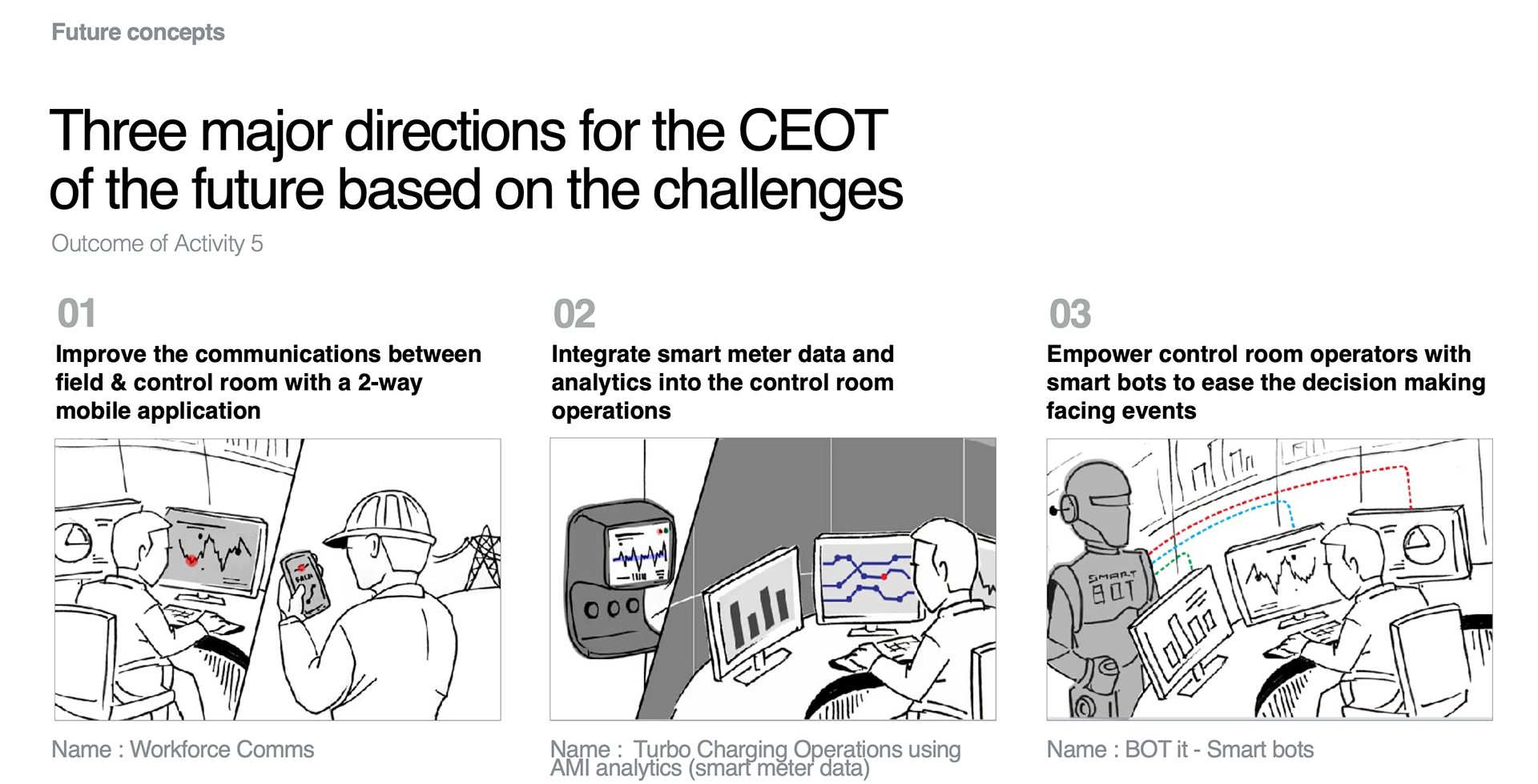
Opportunities for Control Room
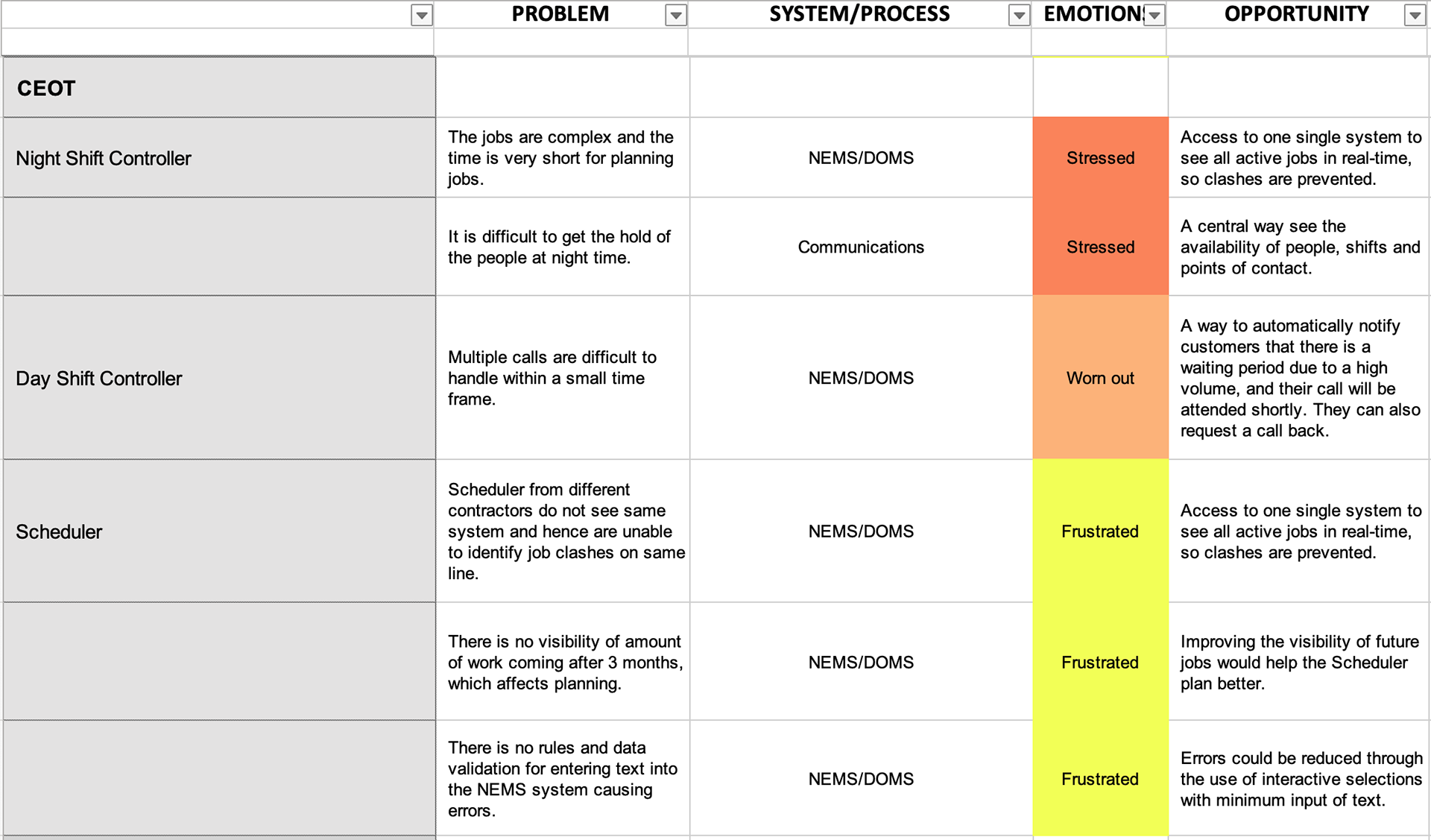
Opportunities /User needs
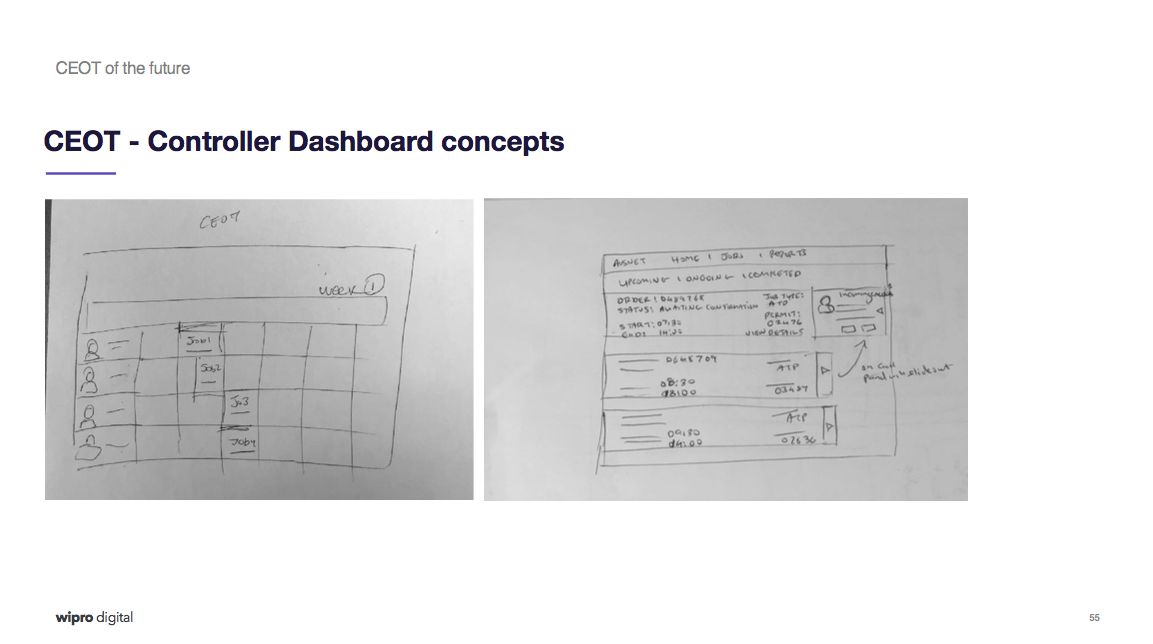
User journey sketching - concept design

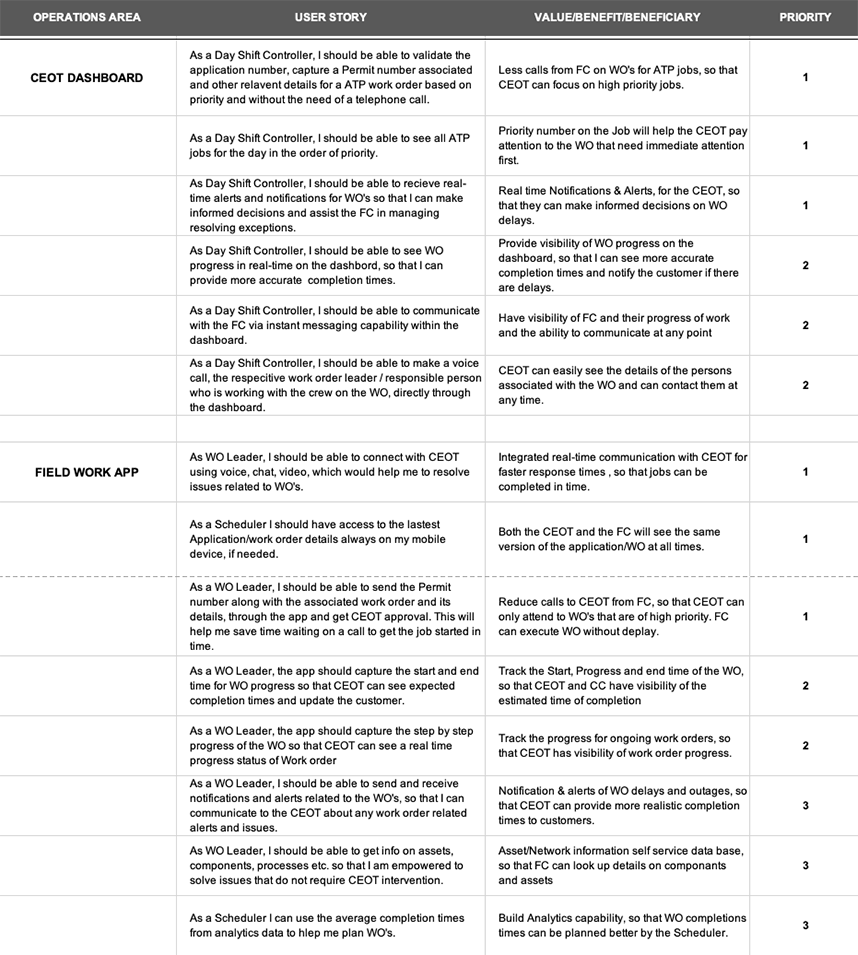
Storyboarding functionality
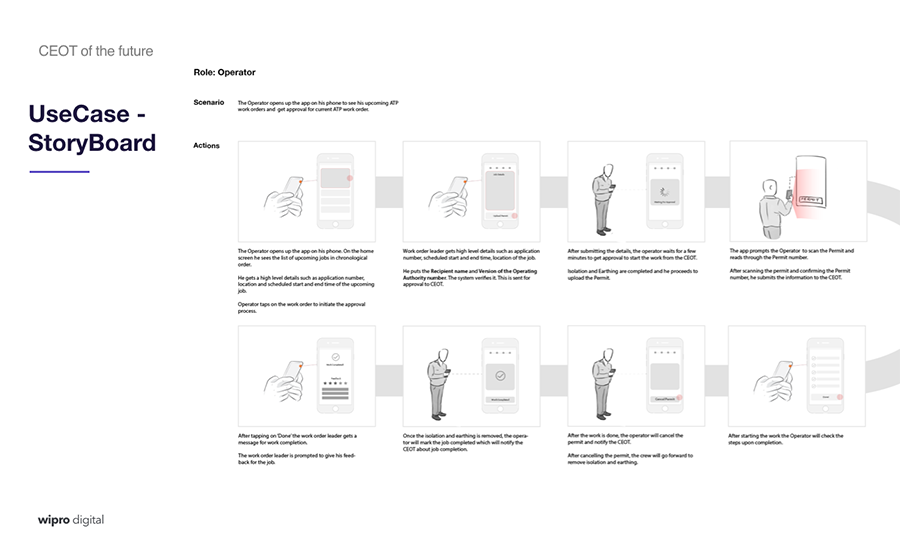
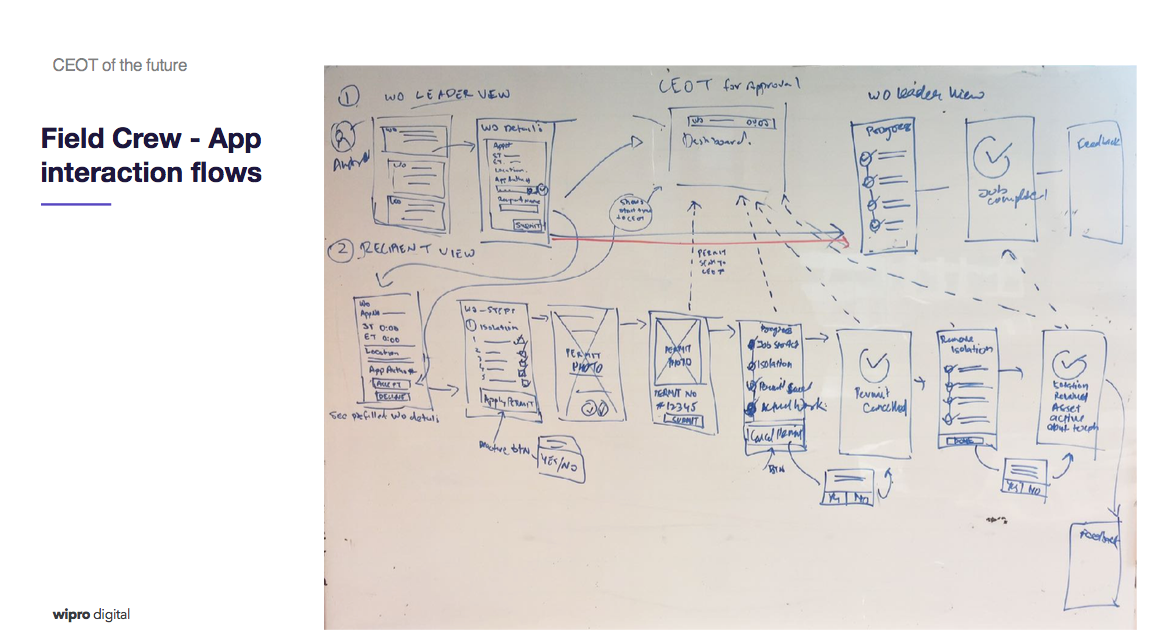
User Interaction flows

Prototypes
Operations team prototype
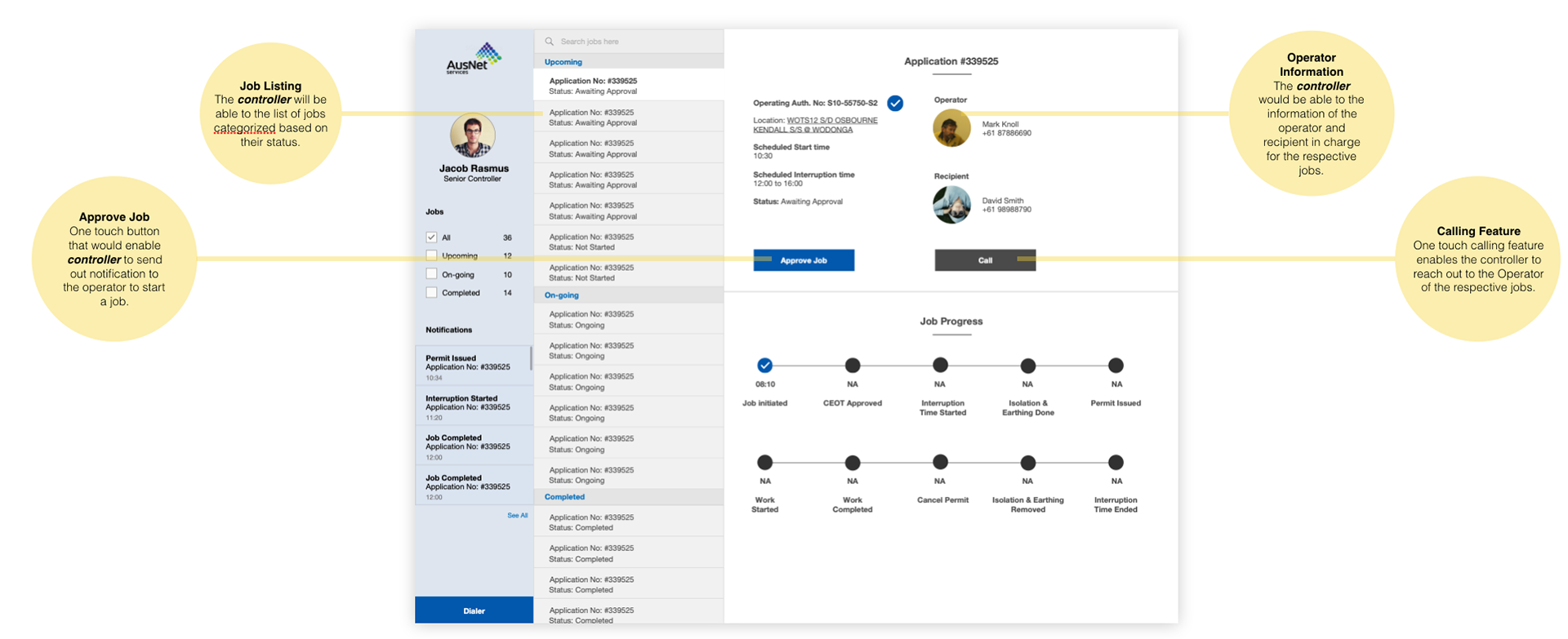
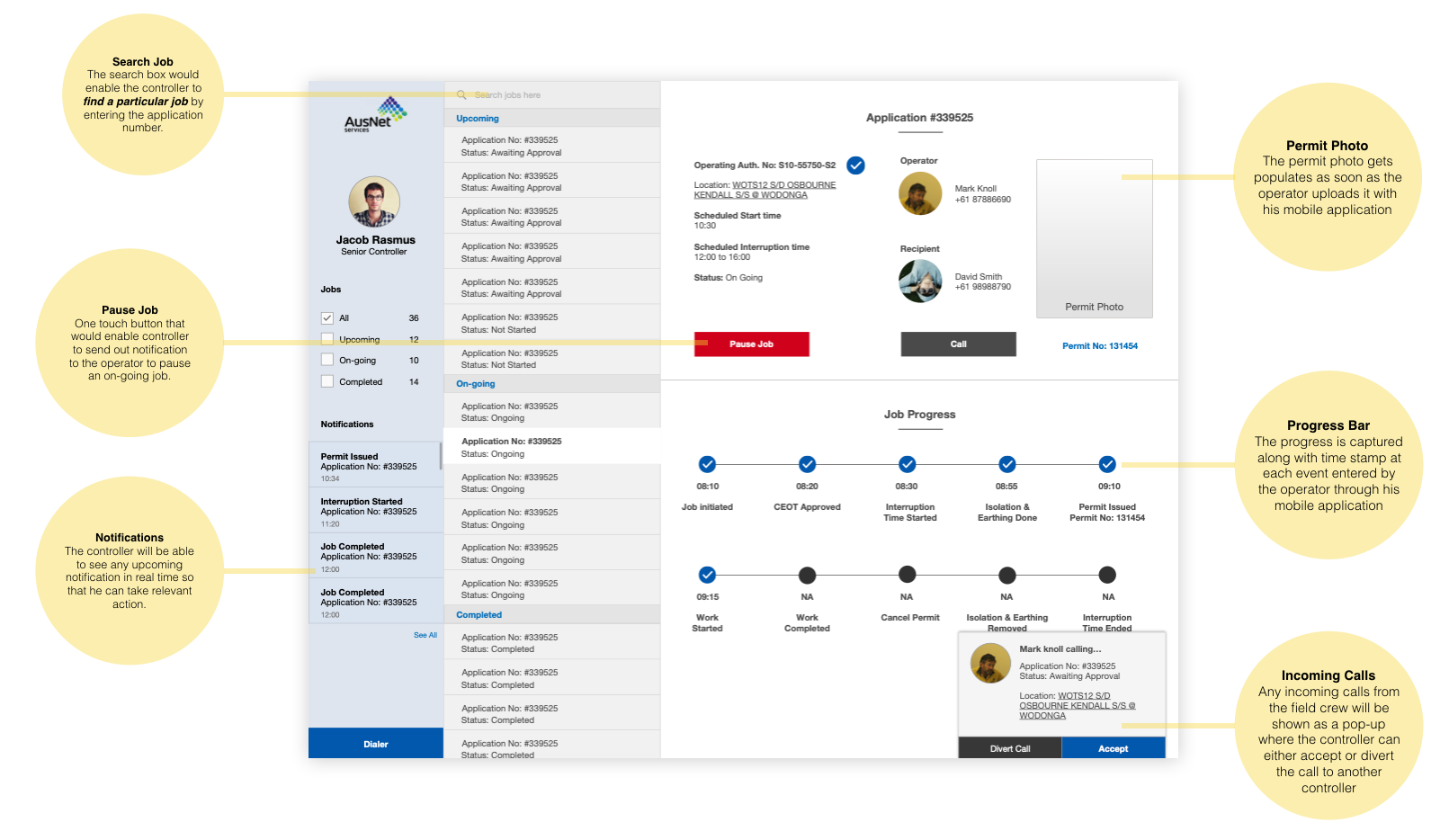
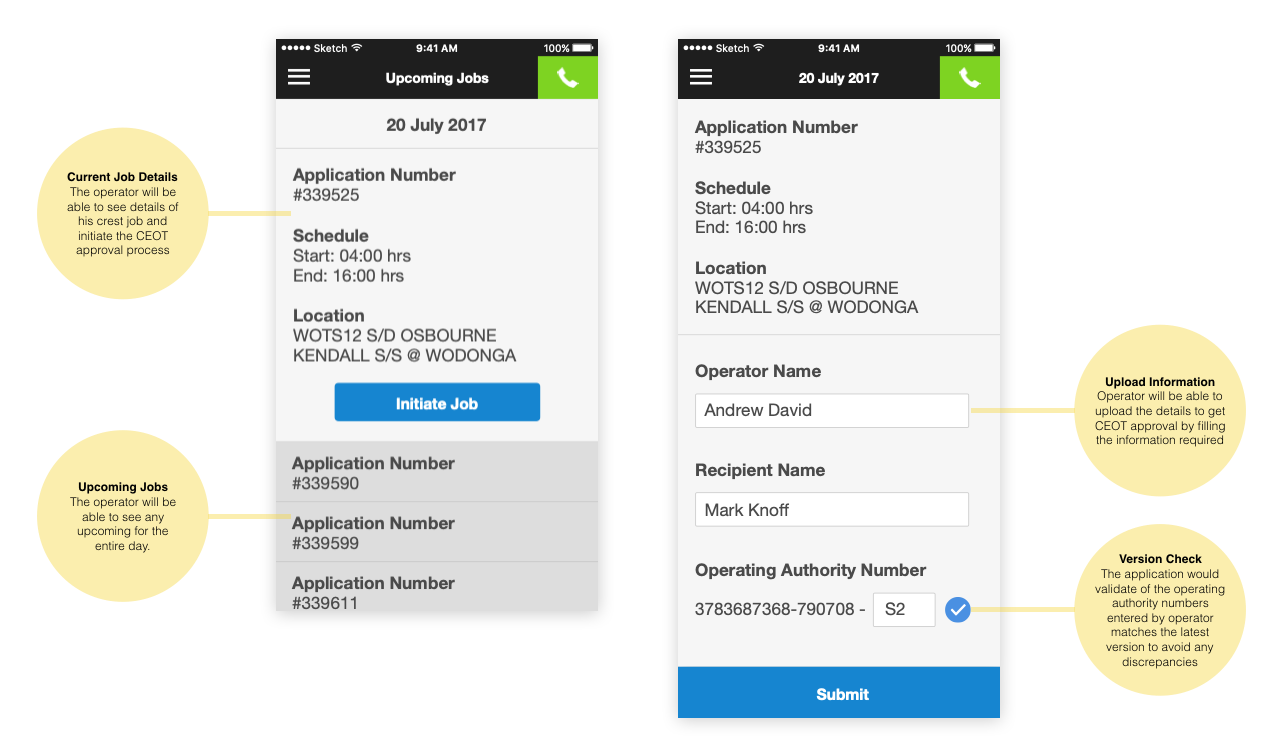
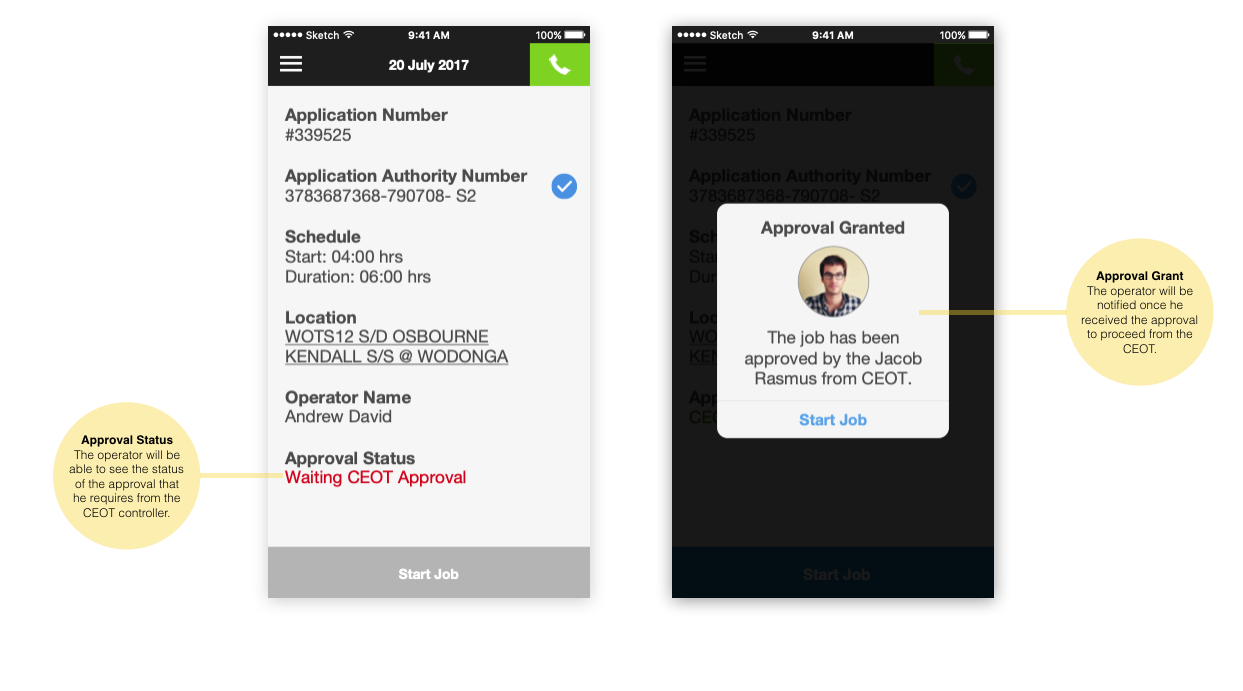
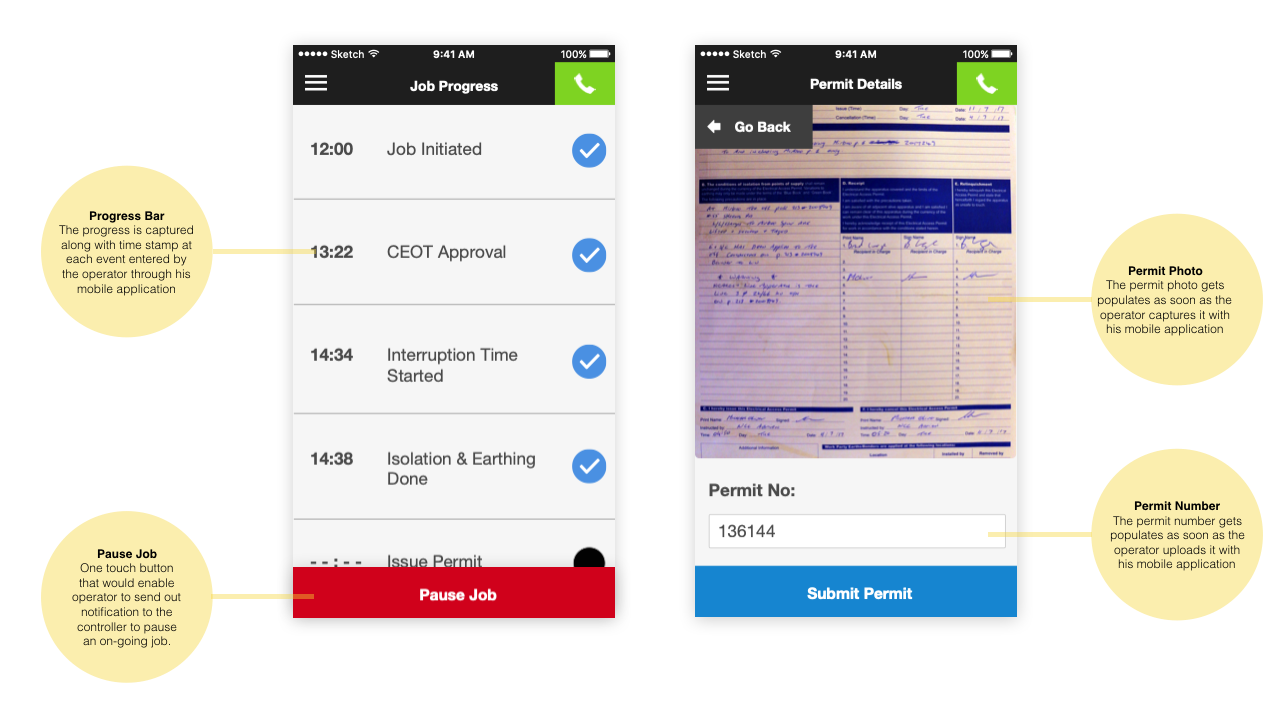
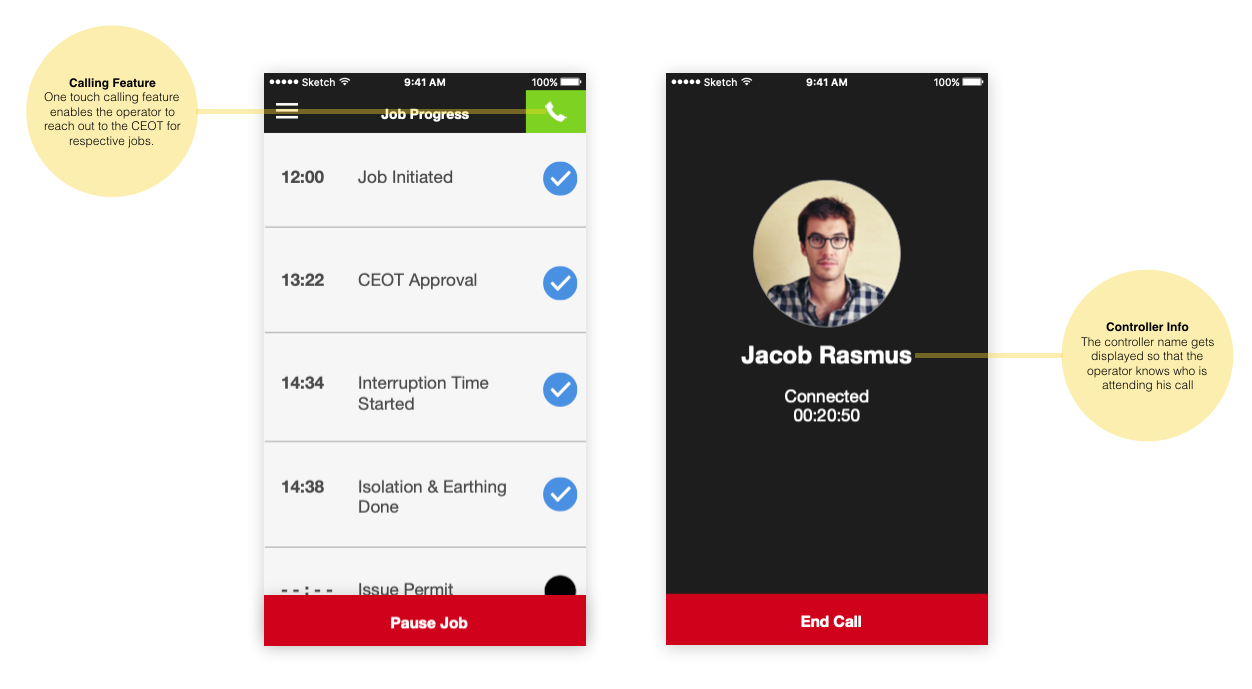
Field crews prototype
Design rationale & usability testing
The design rationale was based on the principles of ease of use, adaptability and the mechanism to help improve visibility of work order communications between Field workers and Controllers. During each design sprint, concepts of the work flow interactions were validated with Field Crews and Controllers to ensure solutions were fit for use case.
This was followed by the creation of clickable prototypes for Controllers and Field Crews and tested over a 3 week period in remote locations. Any usability issues uncovered were used to help refine the final MVP for development purposes.
This was followed by the creation of clickable prototypes for Controllers and Field Crews and tested over a 3 week period in remote locations. Any usability issues uncovered were used to help refine the final MVP for development purposes.